How to Plan a Waterfront New England Wedding

With its rugged coastlines, historic lighthouses, and serene harbors, New England offers some of the most breathtaking waterfront backdrops in the world. For couples looking to tie the knot, the region's coastal charm is undeniable. However, when you weave the vibrant, multi-day majesty of a traditional South Asian celebration into a coastal setting, a unique set of planning dynamics comes into play.
Balancing the tranquil beauty of a seaside resort with the logistics of a grand Barat, a sacred Mandap, and a high-energy reception requires a specialized touch. As premier New England Indian Wedding Planners team has mastered the art of orchestrating seamless, breathtaking coastal celebrations.
If you are dreaming of a nautical yet deeply traditional celebration, here is your definitive guide on how to plan a flawless waterfront New England wedding.
1. Select a Venue That Accommodates South Asian Logistics
Not every beautiful waterfront venue is equipped to handle the unique requirements of an Indian wedding. When scouting locations along the coast—whether in Newport, Rhode Island, Cape Cod, or the Boston Harbor—keep these logistical needs top of mind:
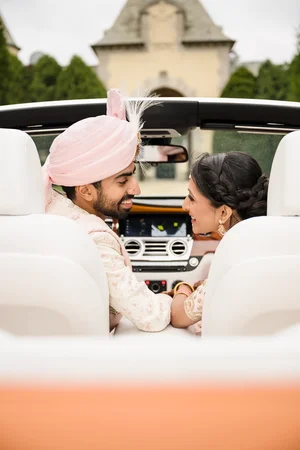
The Barat Route: Is there a long, paved, or unobstructed pathway along the water where the groom can make his grand entrance via a classic car, a horse, or even a boat?
Capacity and Space Transitions: South Asian weddings often feature high guest counts. Ensure the venue has distinct spaces for the Vidhi, Ceremony, Cocktail Hour, and Reception so guests aren't waiting around for room flips.
At Tum hi ho events, we conduct rigorous site inspections to ensure your coastal venue can gracefully host every ritual without compromising on the ocean views.

2. Secure Your Mandap Against Coastal Winds
A waterfront ceremony means dealing with natural elements, and the New England coast is famous for its refreshing—but often unpredictable—sea breezes. A traditional Mandap features heavy drapery, intricate floral arrangements, and sacred fires, all of which can be heavily impacted by wind.
Work closely with your decorators and planners to ensure the Mandap structure is heavily weighted and structurally sound. Opt for open, modern Mandap designs that allow the wind to pass through, or use weighted floral pillars instead of billowing fabrics. Additionally, ensure the sacred fire (Agni) is shielded properly using a glass enclosure or a custom deep Havan Kund so the breeze doesn’t extinguish the flame.
3. Plan for the Perfect Waterfront Barat
The Barat sets the energetic tone for the entire wedding day. Hosting it by the water adds an incredible atmosphere, but it requires careful coordination. Sound travels differently over open water and open outdoor spaces. Your New England Indian Wedding Planners will ensure your mobile DJ or Dhol players have high-powered, battery-operated sound systems so the music carries over the crashing waves.
Furthermore, consider the terrain. If the Barat route is near a sandy beach or rocky pier, advise your guests ahead of time on appropriate footwear, or provide a "shoe valet" where ladies can swap their embellished stilettos for stylish flats or sandals.
4. Curate a Menu blending Coastal and Traditional Flavors
One of the most exciting aspects of a waterfront New England wedding is the culinary experience. Work with a caterer who can seamlessly blend traditional South Asian flavors with local coastal delicacies.
Consider hosting a live fusion station during the cocktail hour on the deck, featuring items like mini tandoori shrimp tacos, paneer-stuffed crab cakes, or a gourmet chaat counter paired with signature nautical mocktails and cocktails. For the main reception dinner, ensure the venue allows outside catering if you require an authentic, traditional multi-course buffet, a specialty that Tum hi ho events frequently coordinates with the region’s top culinary artists.
5. Have a Foolproof Weather Contingency (Plan B)
New England weather is spectacularly beautiful, but it can change in an instant. A sudden coastal mist, a passing shower, or extreme summer heat can shift an outdoor ceremony indoors very quickly.
A high-quality wedding plan always includes a Plan B that you love just as much as Plan A. Ensure your venue has an indoor ballroom or a high-quality, floored marquee tent with transparent ocean-view walls. This ensures that even if the weather turns, your guests remain comfortable, and your sacred rituals proceed flawlessly without losing the coastal aesthetic.
Conclusion
Designing a fusion or traditional South Asian wedding by the water requires balancing tradition with nature. From managing complex multi-vendor timelines to ensuring your outdoor sound systems compete perfectly with the ocean waves, Tum hi ho events handles the stress so you can focus on making memories.

Comments